

85% of wedding guests feel confused about dress codes. Yet 52% of couples want their guests to dress according to the stated code. When a dress code is included, guests can prepare with confidence. The clearer the wording, the less confusion there is. If you're hosting, be specific. If you're attending, know what each code actually means.
Why Dress Code Matters
Why an invitation with a dress code is better for your guests
A dress code is more than a clothing rule. It's the first signal you send about the tone and atmosphere of your wedding. Without it, guests make their own assumptions, and you end up with half the room overdressed and the other half in jeans.
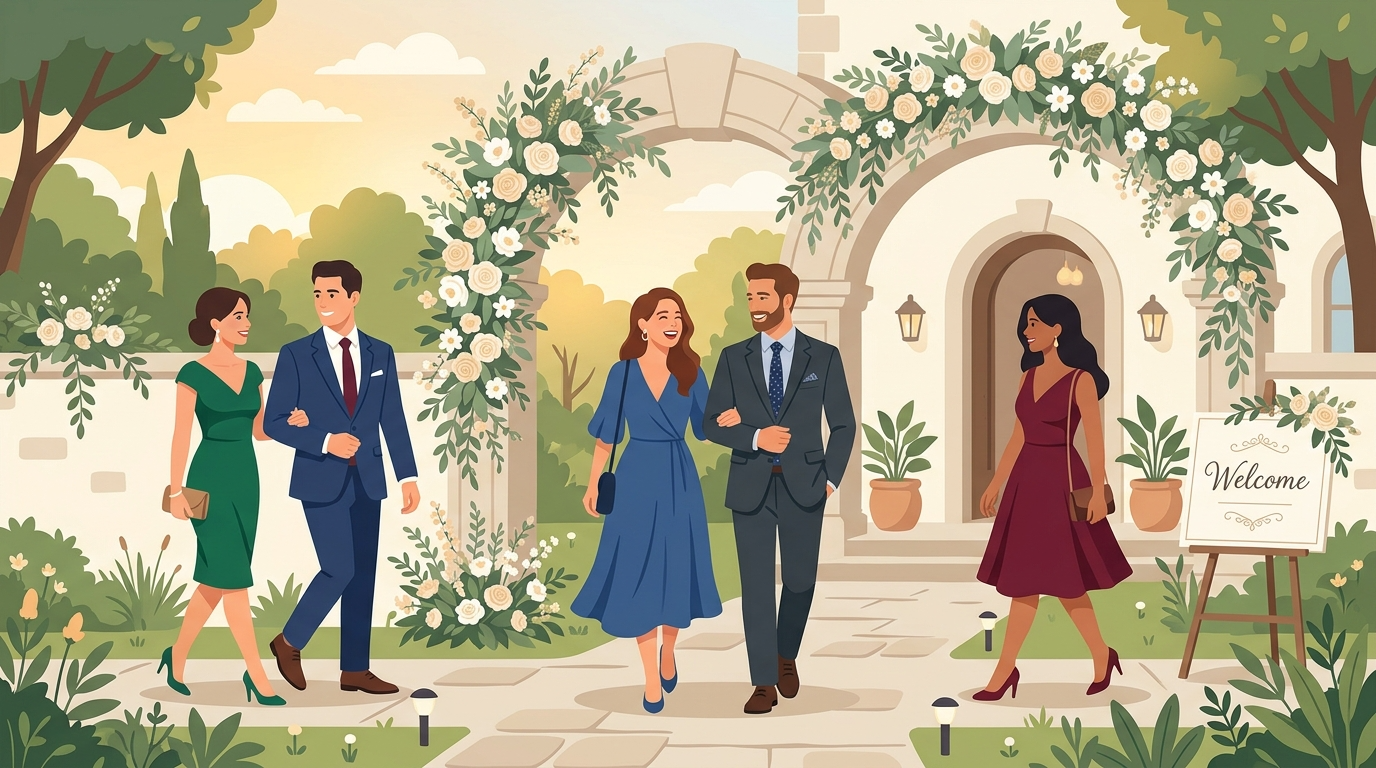
Always include a dress code on your invitation. It's the single most common question guests have. Leaving it blank doesn't give guests freedom -- it gives them uncertainty.
The Full Dress Code Spectrum
Seven levels from White Tie to Casual
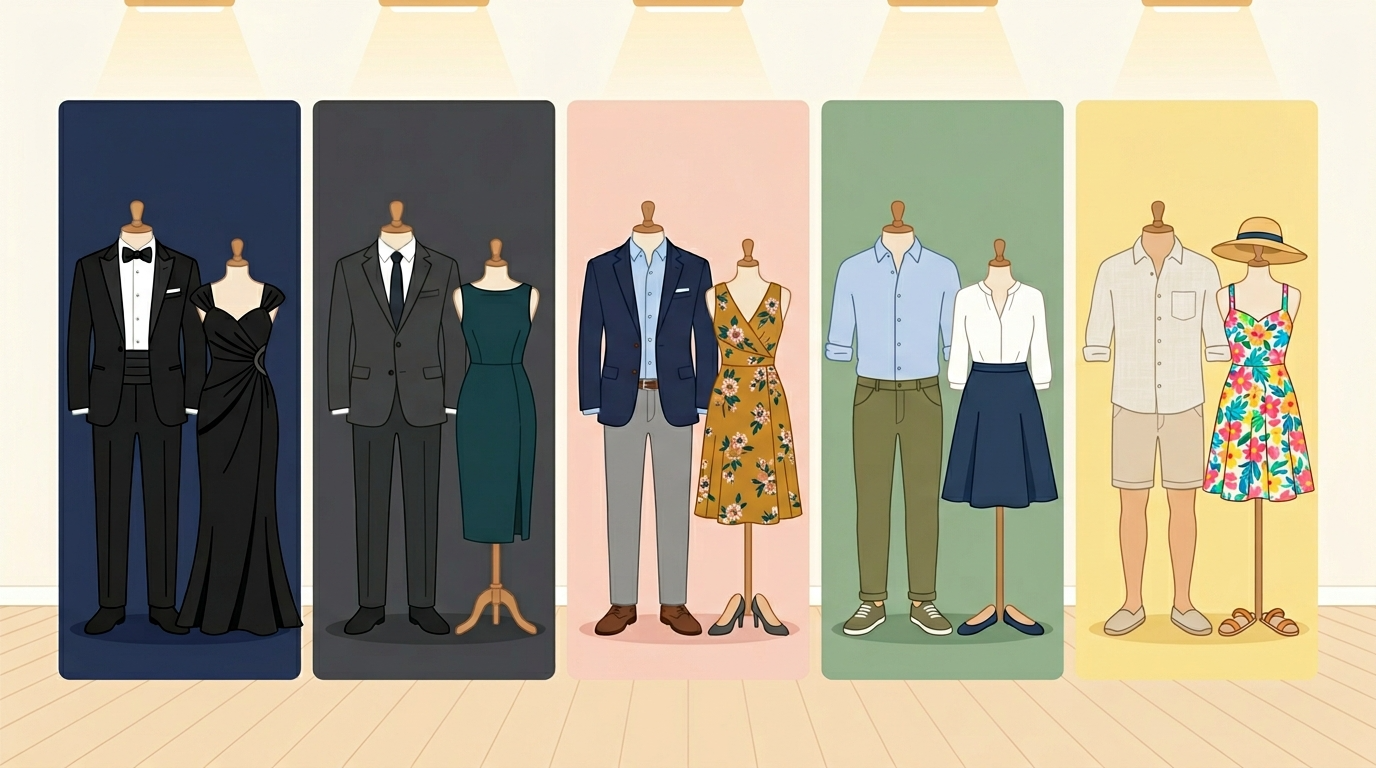
About 60% of all weddings use a Cocktail Attire code. It's the most common — and the most misunderstood.
Black Tie: The Classic Formal Standard
A tuxedo is the baseline, but color is flexible
Men: A tuxedo in black or navy, white dress shirt, bow tie, and formal leather dress shoes. Deep burgundy and midnight navy tuxedos are now fully accepted within black tie dress codes.
Women: A floor-length gown is the traditional choice. Luxe fabrics like silk, satin, and charmeuse work well. A formal jumpsuit or an elegant two-piece set fits within a modern black tie interpretation.
Black tie doesn't mean you have to wear black. Deep jewel tones like emerald green or sapphire blue often make a stronger statement than classic black. A fabric with a subtle sheen makes the choice even more polished.
Cocktail Attire: The Most Common and Most Misunderstood Code
"Cocktail" does not mean casual
About 60% of all weddings use a Cocktail Attire code. But the word "cocktail" trips people up. Cocktail attire means tailored and polished, not relaxed.
Women: Knee to midi length dress, or a tailored pantsuit. Bold colors and patterns are fine. A casual sundress or jeans are not.
Men: A dark suit with a dress shirt is the foundation. A tie is optional but the suit is not. A sport coat with dress trousers is an acceptable alternative.
When in doubt, a solid-color midi dress is the safest choice. It hits the right level of polish without going overboard, and it works for almost any Cocktail Attire wedding.
New Dress Codes You Might Not Recognize
Codes beyond the classic seven are becoming more common
If you spot "Garden Party Formal" or "Coastal Formal" on an invitation and feel thrown off, you're not alone. These are newer codes that have emerged over the past few years.
If you use a newer code on your invitation, don't just list the name. Add a one-line example: "Garden Party Formal: floral dress or linen suit, wedge heels recommended." Guests will get it immediately.
Black Tie Optional: The Code That Trips People Up Most
"Optional" doesn't mean you can dress down
A lot of guests read "Optional" and think it means they can come in smart casual. It doesn't. Black Tie Optional still calls for high formality. "A tuxedo isn't required, but a dark formal suit with a tie is the minimum for men."
What to Avoid at Any Wedding
These rules apply no matter what the dress code says
Regardless of formality level, some choices don't belong at a wedding.
- White, ivory, or cream: Reserved for the bride. Off-limits regardless of dress code.
- Excessive exposure: Fully open backs and extremely short hemlines are out of place in a ceremony setting.
- Jeans and a t-shirt: Even a Casual dress code at a wedding calls for a bit more intention than a regular weekend outfit.
- Outshining the couple: Avoid anything that draws more attention than the people getting married.
- Flip-flops and athletic shoes: Not appropriate unless the invitation specifically says beach or garden and you're told flat shoes are welcome.
Garden and Beach Weddings: Factor in the Environment
Footwear is everything at outdoor weddings
Outdoor weddings require thinking about both dress code and terrain at the same time. Stilettos sink into grass. Heels disappear into sand.
Garden weddings: Wedge heels or block heels handle grass much better than stilettos. Bright, light colors suit the outdoor backdrop.
Beach weddings: Sandals or bare feet are completely normal. Flowing fabrics and linen suits keep you comfortable without looking underdressed.
A short note on the invitation like "flat shoes recommended for our outdoor ceremony" is one of the most appreciated things you can do for your guests. If it's a beach or lawn venue, please tell them.
No Dress Code vs. Being Specific
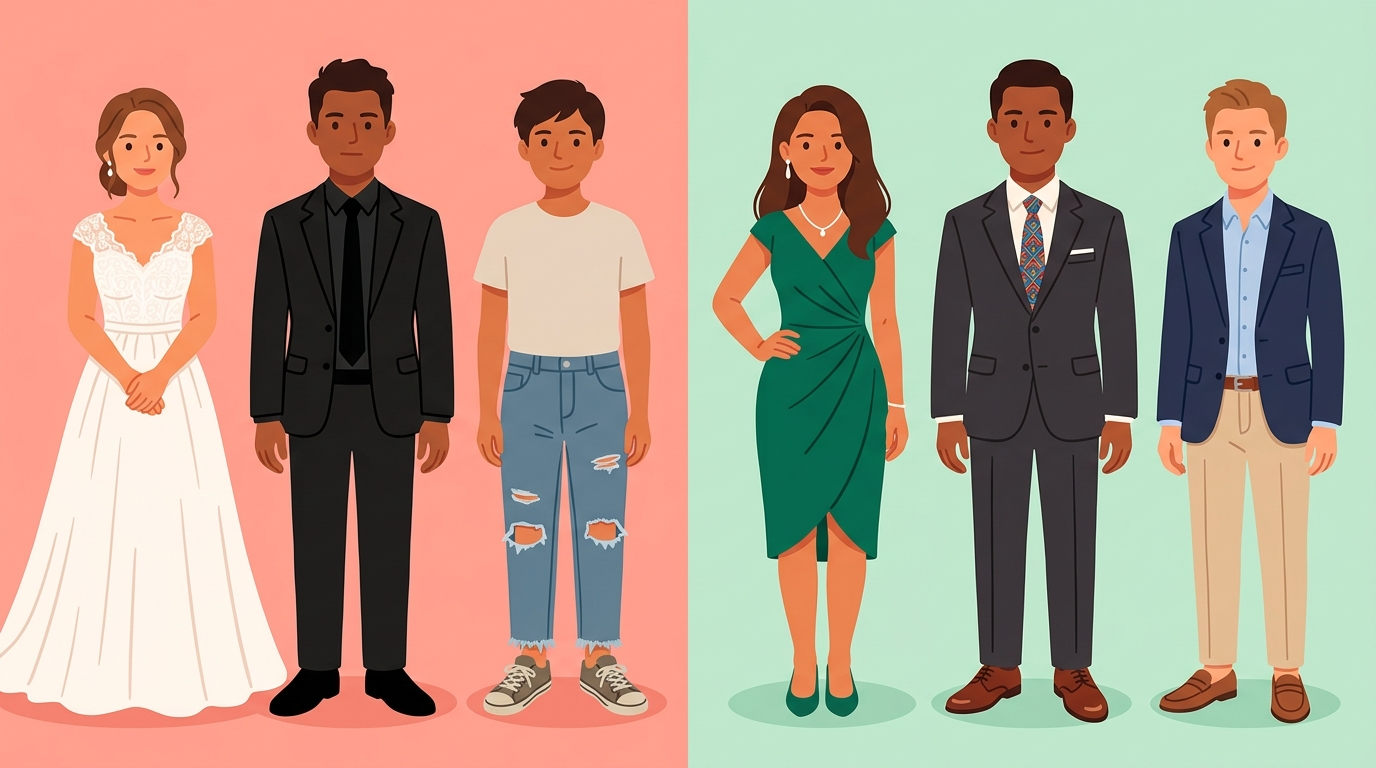
Dress Code Checklist for Hosts
Related articles: Wedding Dress Selection Guide, Small Wedding Complete Guide
Related Posts
View List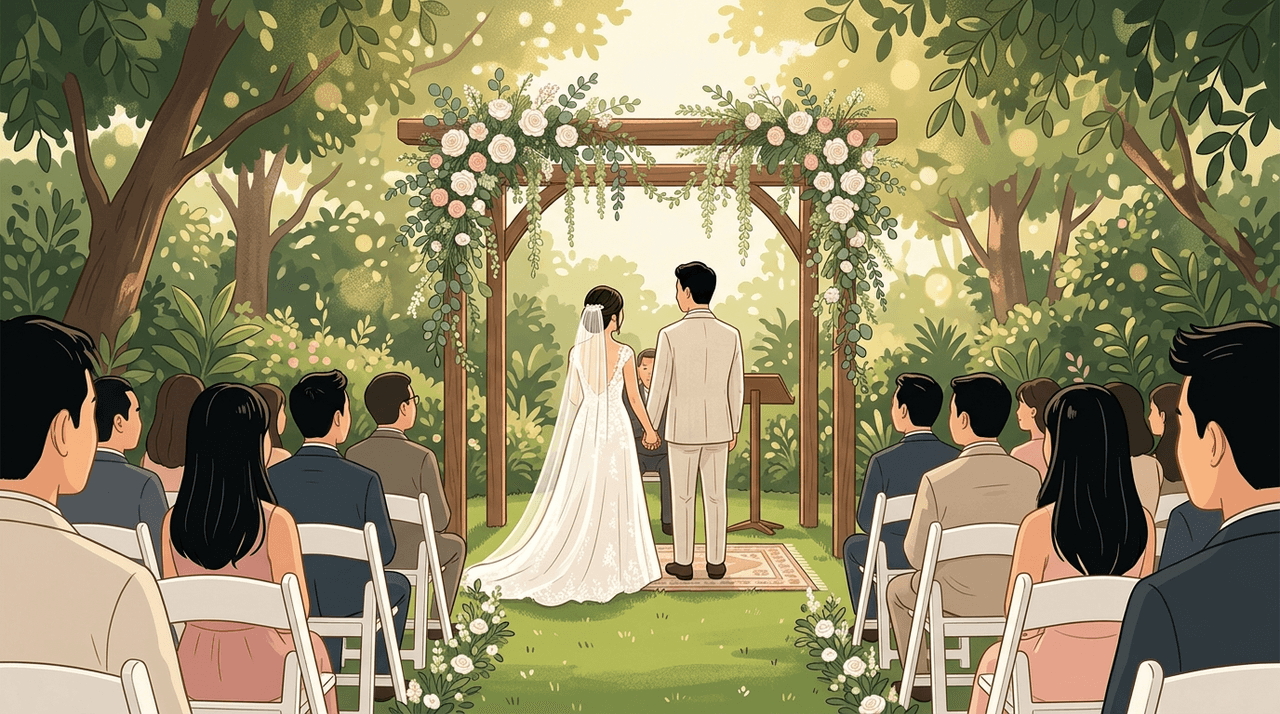
Reality Check: Break the Budget Myth First
Outdoor Wedding: Beautiful, But Twice the Prep Work
Outdoor weddings offer the undeniable magic of natural light and open spaces, but everything that is provided by default indoors (sound, lighting, restrooms, parking) must be arranged on your own.
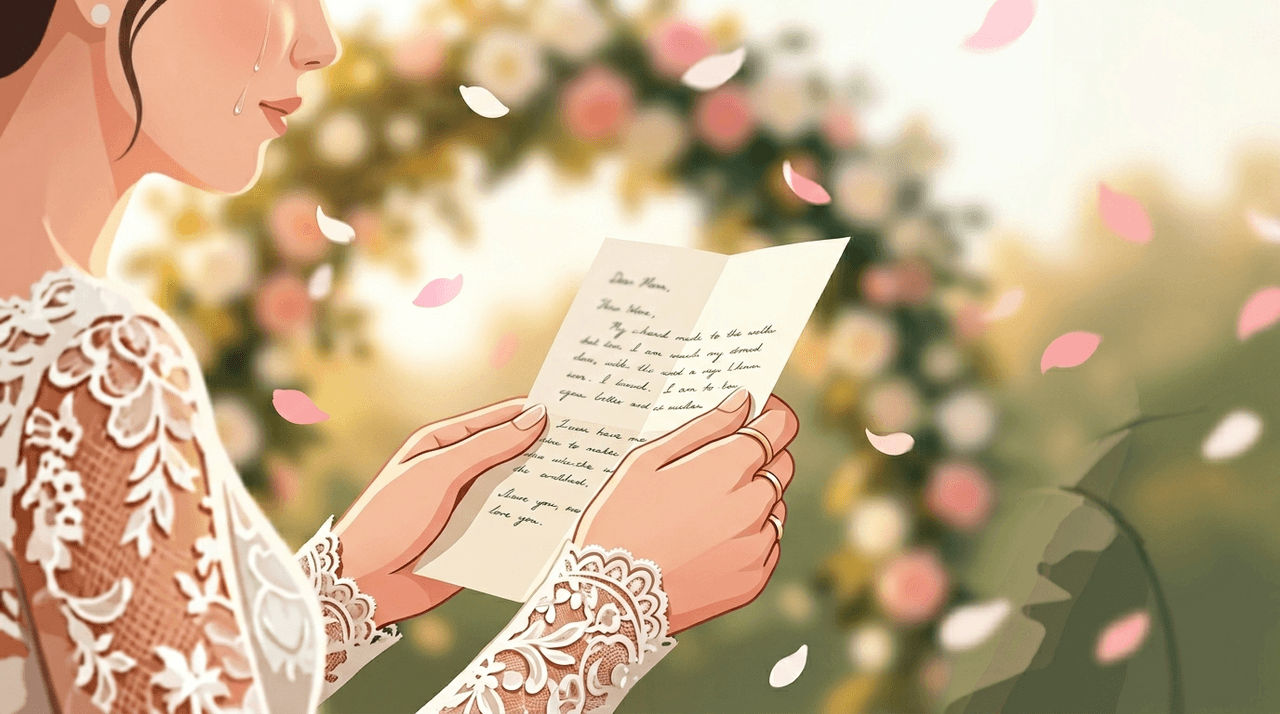
Choose Your Format
How to Write Your Wedding Vows
Deciding how you'll read your vows makes writing them much easier. Your vows only need three things. Follow this order and it flows naturally. One memory that only the two of you share.
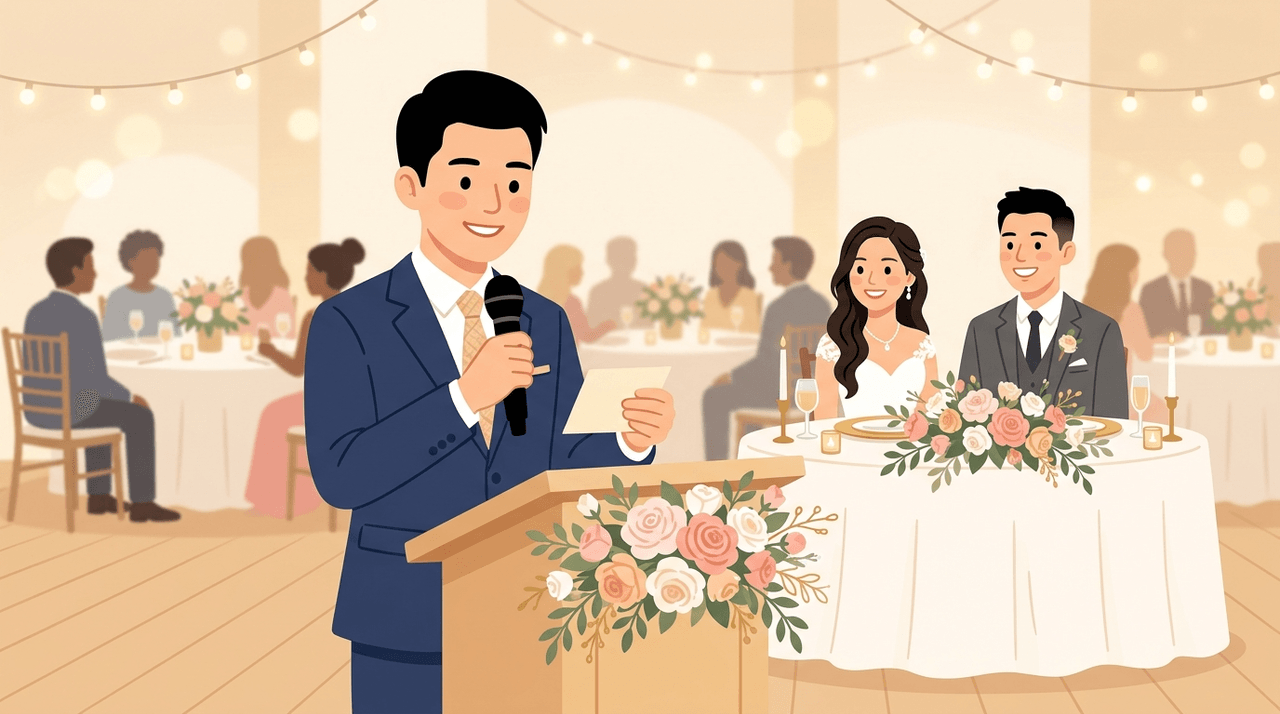
Follow This Structure
Wedding Toast: Here's How to Do It
No matter the relationship or tone, a 3-part structure is all you need. 2-3 minutes total is just right. Over 5 minutes and guests lose focus.
 Blessed Smoothie
 Radiant Fan
 Crisp Tree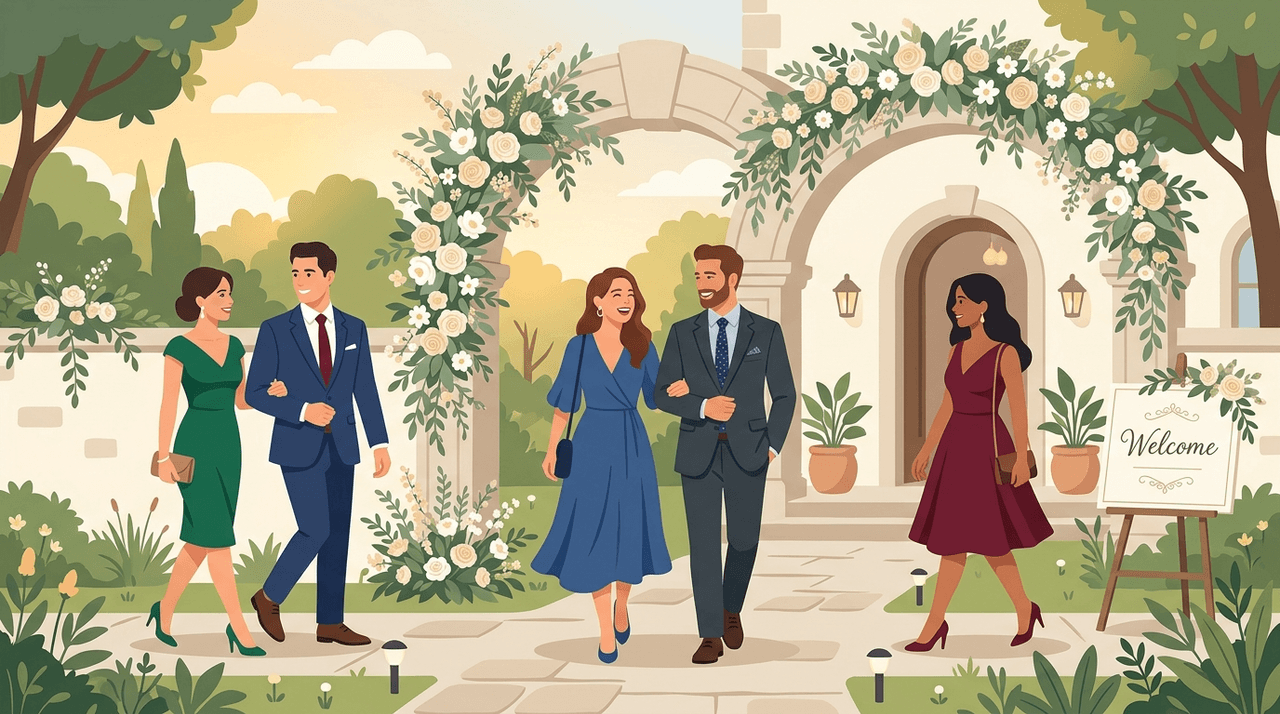
85% of wedding guests feel confused about dress codes. Yet 52% of couples want their guests to dress according to the stated code. When a dress code is included, guests can prepare with confidence. The clearer the wording, the less confusion there is. If you're hosting, be specific. If you're attending, know what each code actually means.
Why Dress Code Matters
Why an invitation with a dress code is better for your guests
A dress code is more than a clothing rule. It's the first signal you send about the tone and atmosphere of your wedding. Without it, guests make their own assumptions, and you end up with half the room overdressed and the other half in jeans.
Always include a dress code on your invitation. It's the single most common question guests have. Leaving it blank doesn't give guests freedom -- it gives them uncertainty.
The Full Dress Code Spectrum
Seven levels from White Tie to Casual
About 60% of all weddings use a Cocktail Attire code. It's the most common — and the most misunderstood.
Black Tie: The Classic Formal Standard
A tuxedo is the baseline, but color is flexible
Men: A tuxedo in black or navy, white dress shirt, bow tie, and formal leather dress shoes. Deep burgundy and midnight navy tuxedos are now fully accepted within black tie dress codes.
Women: A floor-length gown is the traditional choice. Luxe fabrics like silk, satin, and charmeuse work well. A formal jumpsuit or an elegant two-piece set fits within a modern black tie interpretation.
Black tie doesn't mean you have to wear black. Deep jewel tones like emerald green or sapphire blue often make a stronger statement than classic black. A fabric with a subtle sheen makes the choice even more polished.
Cocktail Attire: The Most Common and Most Misunderstood Code
"Cocktail" does not mean casual
About 60% of all weddings use a Cocktail Attire code. But the word "cocktail" trips people up. Cocktail attire means tailored and polished, not relaxed.
Women: Knee to midi length dress, or a tailored pantsuit. Bold colors and patterns are fine. A casual sundress or jeans are not.
Men: A dark suit with a dress shirt is the foundation. A tie is optional but the suit is not. A sport coat with dress trousers is an acceptable alternative.
When in doubt, a solid-color midi dress is the safest choice. It hits the right level of polish without going overboard, and it works for almost any Cocktail Attire wedding.
New Dress Codes You Might Not Recognize
Codes beyond the classic seven are becoming more common
If you spot "Garden Party Formal" or "Coastal Formal" on an invitation and feel thrown off, you're not alone. These are newer codes that have emerged over the past few years.
If you use a newer code on your invitation, don't just list the name. Add a one-line example: "Garden Party Formal: floral dress or linen suit, wedge heels recommended." Guests will get it immediately.
Black Tie Optional: The Code That Trips People Up Most
"Optional" doesn't mean you can dress down
A lot of guests read "Optional" and think it means they can come in smart casual. It doesn't. Black Tie Optional still calls for high formality. "A tuxedo isn't required, but a dark formal suit with a tie is the minimum for men."
What to Avoid at Any Wedding
These rules apply no matter what the dress code says
Regardless of formality level, some choices don't belong at a wedding.
- White, ivory, or cream: Reserved for the bride. Off-limits regardless of dress code.
- Excessive exposure: Fully open backs and extremely short hemlines are out of place in a ceremony setting.
- Jeans and a t-shirt: Even a Casual dress code at a wedding calls for a bit more intention than a regular weekend outfit.
- Outshining the couple: Avoid anything that draws more attention than the people getting married.
- Flip-flops and athletic shoes: Not appropriate unless the invitation specifically says beach or garden and you're told flat shoes are welcome.
Garden and Beach Weddings: Factor in the Environment
Footwear is everything at outdoor weddings
Outdoor weddings require thinking about both dress code and terrain at the same time. Stilettos sink into grass. Heels disappear into sand.
Garden weddings: Wedge heels or block heels handle grass much better than stilettos. Bright, light colors suit the outdoor backdrop.
Beach weddings: Sandals or bare feet are completely normal. Flowing fabrics and linen suits keep you comfortable without looking underdressed.
A short note on the invitation like "flat shoes recommended for our outdoor ceremony" is one of the most appreciated things you can do for your guests. If it's a beach or lawn venue, please tell them.
No Dress Code vs. Being Specific
Dress Code Checklist for Hosts
Related articles: Wedding Dress Selection Guide, Small Wedding Complete Guide
Related Posts
View ListReality Check: Break the Budget Myth First
Outdoor Wedding: Beautiful, But Twice the Prep Work
Outdoor weddings offer the undeniable magic of natural light and open spaces, but everything that is provided by default indoors (sound, lighting, restrooms, parking) must be arranged on your own.
Choose Your Format
How to Write Your Wedding Vows
Deciding how you'll read your vows makes writing them much easier. Your vows only need three things. Follow this order and it flows naturally. One memory that only the two of you share.
Follow This Structure
Wedding Toast: Here's How to Do It
No matter the relationship or tone, a 3-part structure is all you need. 2-3 minutes total is just right. Over 5 minutes and guests lose focus.
Blessed SmoothieRadiant FanCrisp Tree