

The average wedding dress costs $2,100, but the dress tag is just the starting point. Add alterations ($400–$800), a veil ($100–$1,000), and shoes and accessories ($150–$450), and the total bridal look comes to $2,600–$5,450 or more. Build your budget around the full number from day one, and you won't be surprised later.
30% of brides regret their dress choice after the wedding. The number one reason: not trying on enough dresses.
How to Set a Dress Budget
Budget for dress plus alterations plus accessories as one combined total
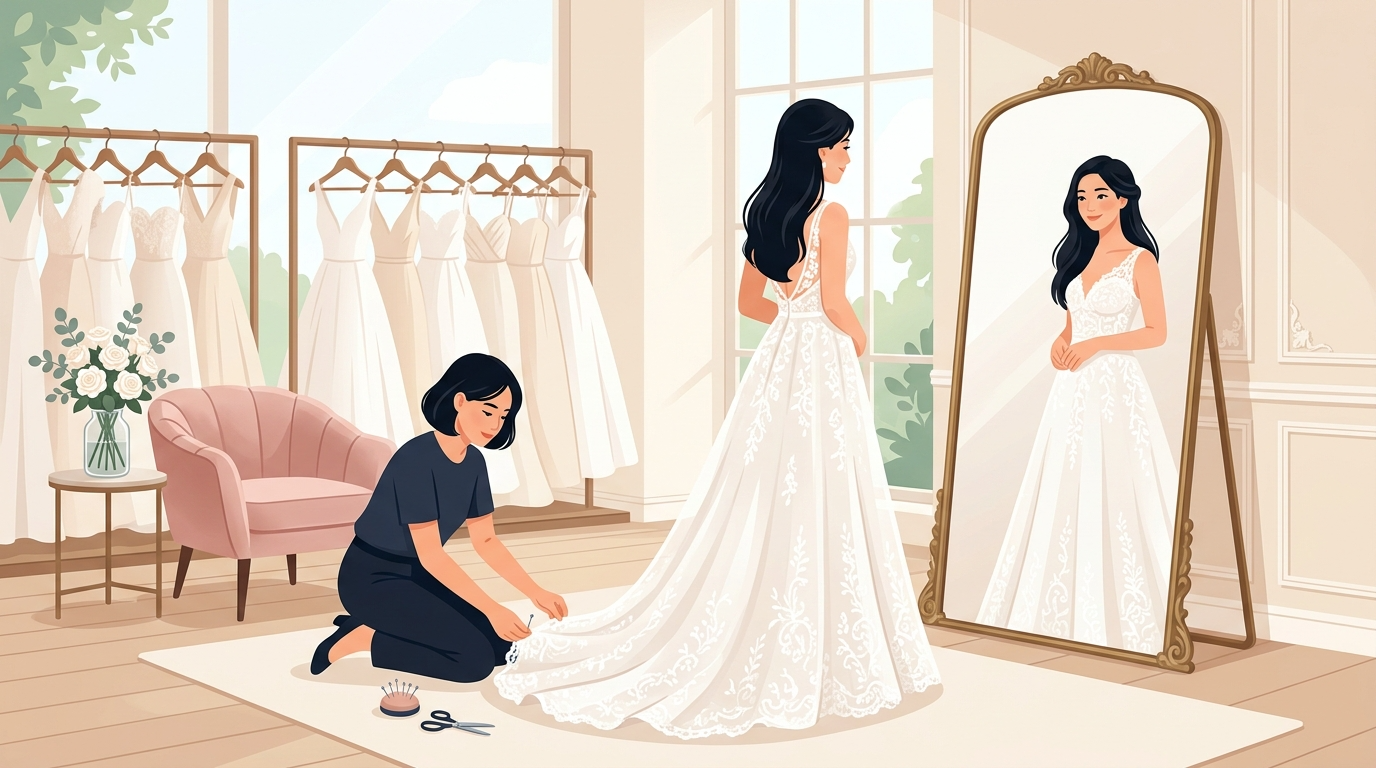
The most common mistake couples make is treating the dress price as the total cost. Almost every off-the-rack dress needs alterations, and those run $400–$800 on average. Budget from the start with "dress plus alterations plus accessories" as one number.
Set aside 20 to 30% of your dress budget specifically for alterations. A $2,000 dress could realistically need another $400–$600 in tailoring work.
Choosing a Silhouette That Works for You
A-line is back at the top
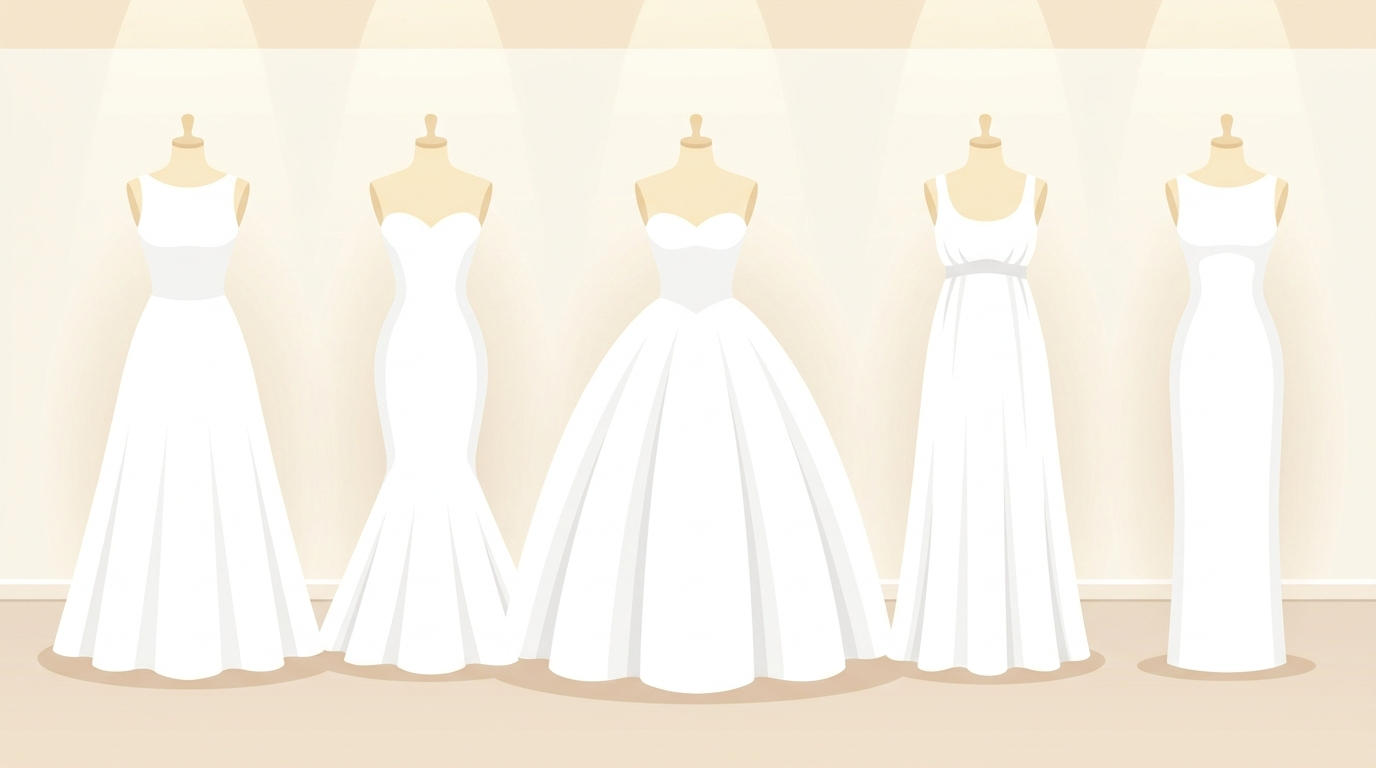
In recent surveys, A-line leads at 31%. Fit-and-flare and mermaid are tied at 17% each, with ball gown at 16%. Searches for "basque waist" styles — which emphasize an hourglass waistline — have spiked 250%, signaling that defined curves are having a moment.
You genuinely don't know what works until you try it on. Even if you're convinced you only want an A-line, try at least 3 to 4 silhouettes before deciding. Many brides walk out in something completely different from what they came in expecting.
How Many Dresses Should You Try On?
The sweet spot is 5 to 8
75% of brides visit only 1 to 3 boutiques before making a decision. Of those, 30% who tried fewer than 3 dresses reported regret afterward. Meanwhile, 22% who tried on 10 or more dresses ended up overwhelmed and unable to decide. The sweet spot is 5 to 8 dresses.
Most boutique appointments allow 5 to 8 try-ons per visit. Visiting 2 to 3 boutiques puts you right in the sweet spot. Keep your group small — 1 or 2 trusted people — so you can focus on your own reaction rather than managing everyone's opinions.
2025 to 2026 Dress Trends
The defining keyword for 2025 is movement and fluidity. The rigid, structured corset silhouette is giving way to dresses that flow naturally when you walk. At the same time, the ultra-dramatic ball gown is making a strong comeback as a parallel trend pulling in the opposite direction.
Trends are worth knowing about, but also worth pressure-testing. Will the dress look dated in photos five years from now? Classic silhouettes age gracefully. Hyper-trendy ones often don't.
When to Start: The Dress Shopping Timeline
Starting 6 months out risks not getting the dress you want
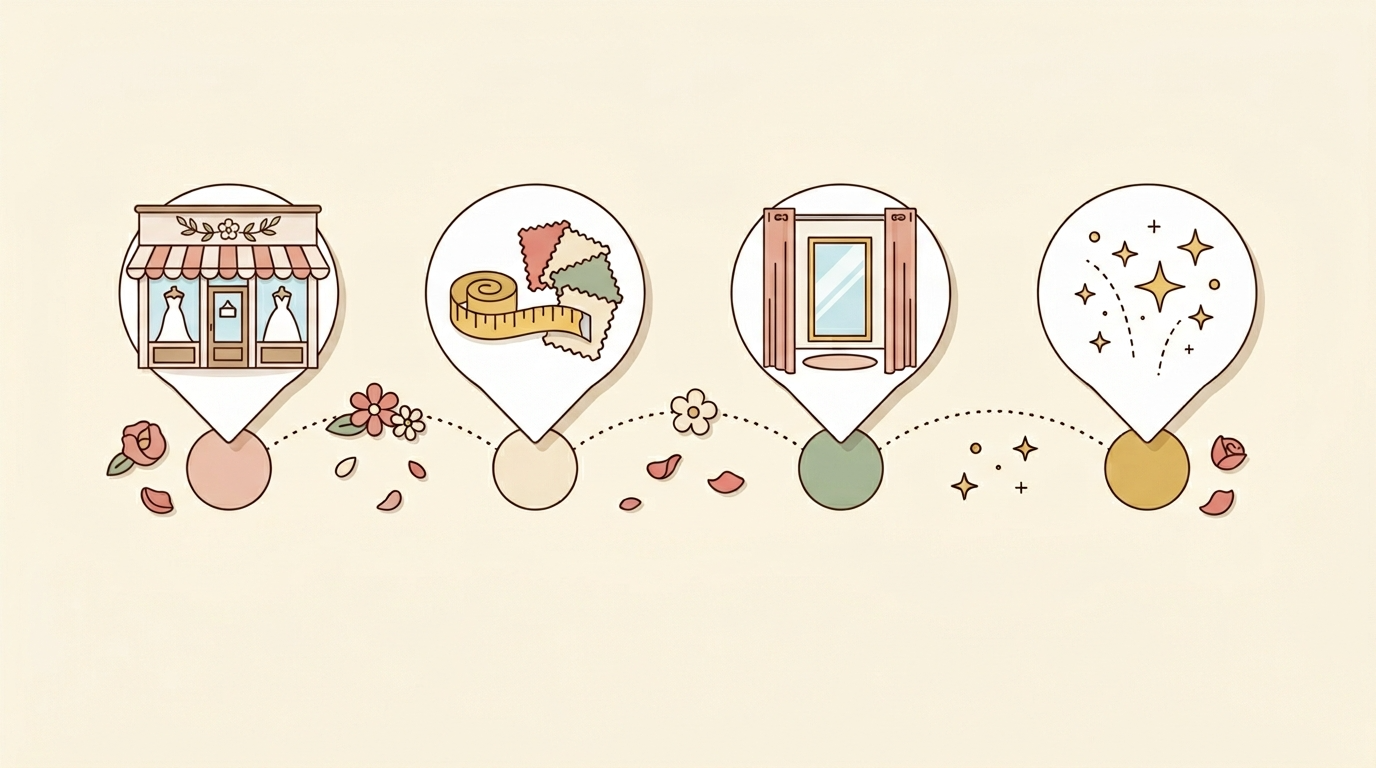
Custom-order dresses take 10 to 14 weeks to produce. Add 6 to 8 weeks for alterations, and you need to have your order placed at least 9 months out from the wedding date.
Rush fees for expedited production typically add 25 to 50% to the dress cost. Ordering at least 9 months out is the straightforward way to avoid them entirely.
Smart Ways to Save
Sample sales can get you 50 to 90% off retail
Sample sales are when bridal salons clear out their floor display dresses to make room for new collections. Timing matters: January through March is when the largest number of sample sales happen.
Sample dresses are typically in sizes 10 to 14 and may show minor wear from fittings. If the size works, you're looking at 50 to 70% off retail. Luxury brand consignment shops can go even deeper, sometimes up to 90% off.
Late January and late June are peak sample sale season. Know your body measurements and the silhouettes that work for you before you go. Sample sales move fast, and the best dresses go quickly.
Alterations and Accessories
The spending doesn't stop when the dress arrives
Alterations are not optional. Ready-to-wear dresses are cut to standard sizing, and nearly every bride needs tailoring. A hem alone can run $150–$300, and full alterations including waist and bust adjustments average $400–$800.
Book your seamstress when you place your dress order, not when the dress arrives. Popular tailors fill up months in advance.
Dress Shopping: Prepared vs. Unprepared
Dress Shopping Checklist
Related articles: Wedding Rings Complete Guide, How to Choose a Wedding Photographer
Related Posts
View List
Reality Check: Break the Budget Myth First
Outdoor Wedding: Beautiful, But Twice the Prep Work
Outdoor weddings offer the undeniable magic of natural light and open spaces, but everything that is provided by default indoors (sound, lighting, restrooms, parking) must be arranged on your own.
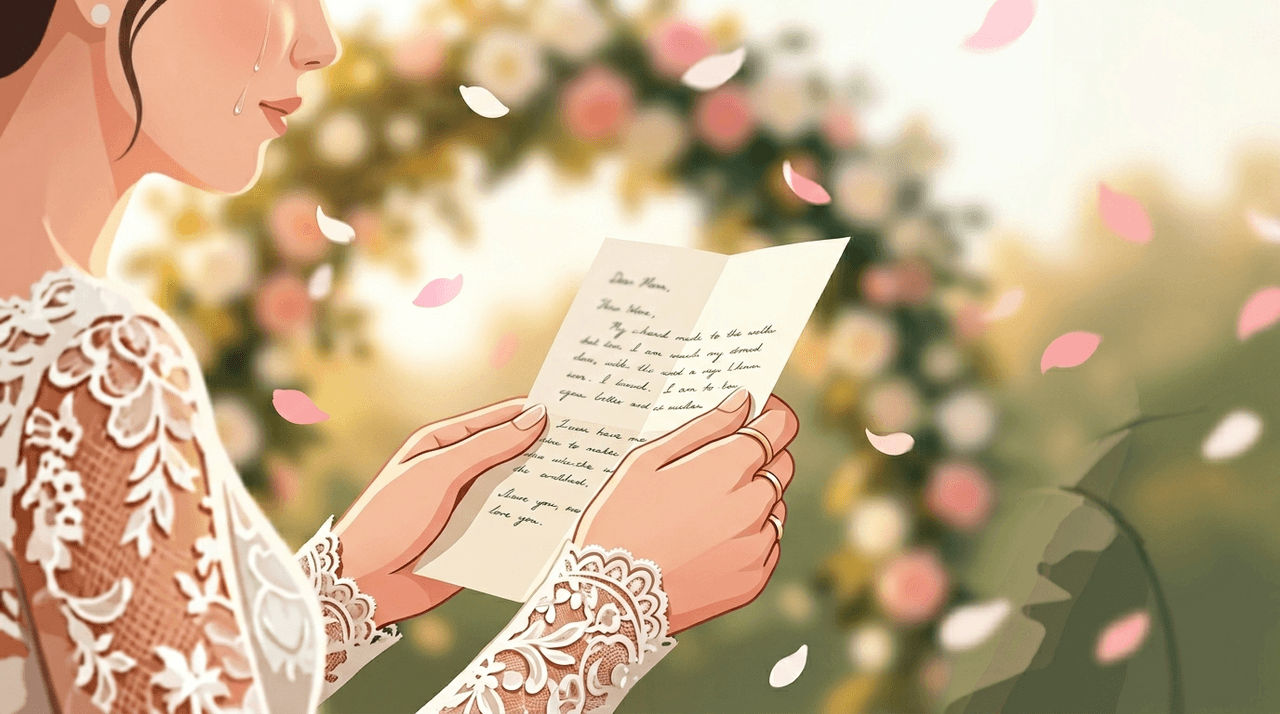
Choose Your Format
How to Write Your Wedding Vows
Deciding how you'll read your vows makes writing them much easier. Your vows only need three things. Follow this order and it flows naturally. One memory that only the two of you share.
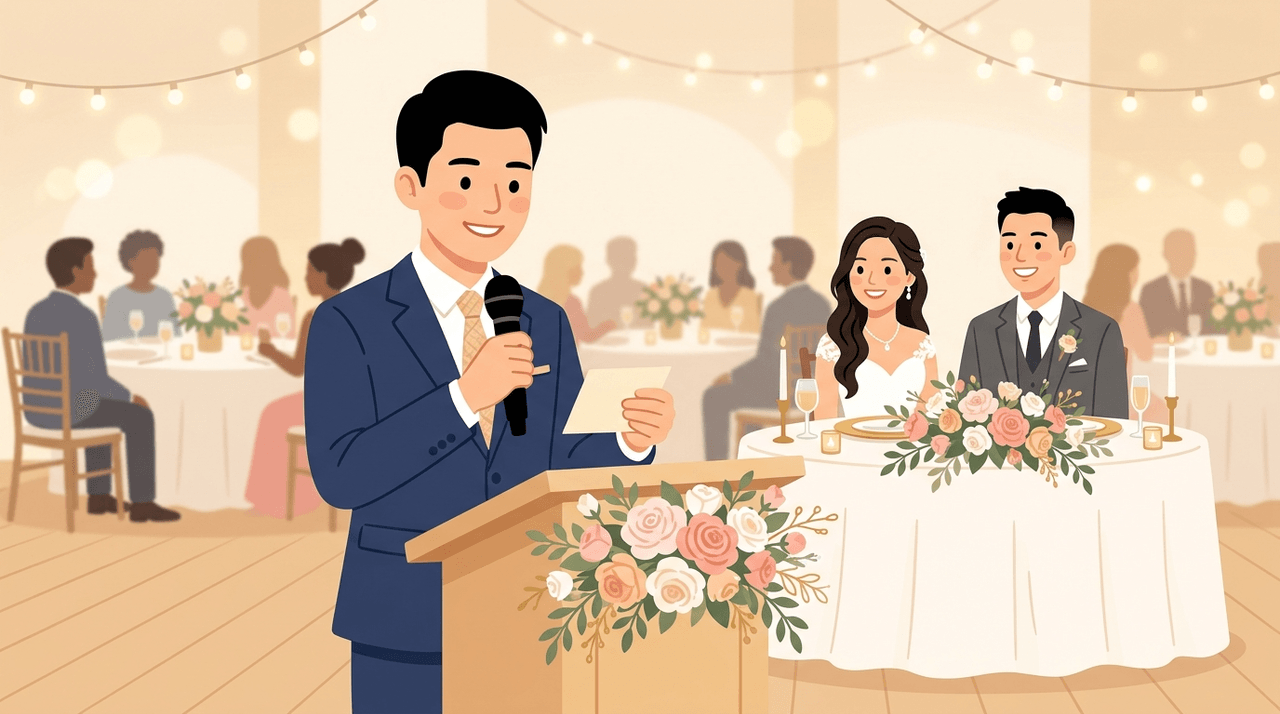
Follow This Structure
Wedding Toast: Here's How to Do It
No matter the relationship or tone, a 3-part structure is all you need. 2-3 minutes total is just right. Over 5 minutes and guests lose focus.
 Grand Bracelet
 Spirited Morning
 Crisp Tree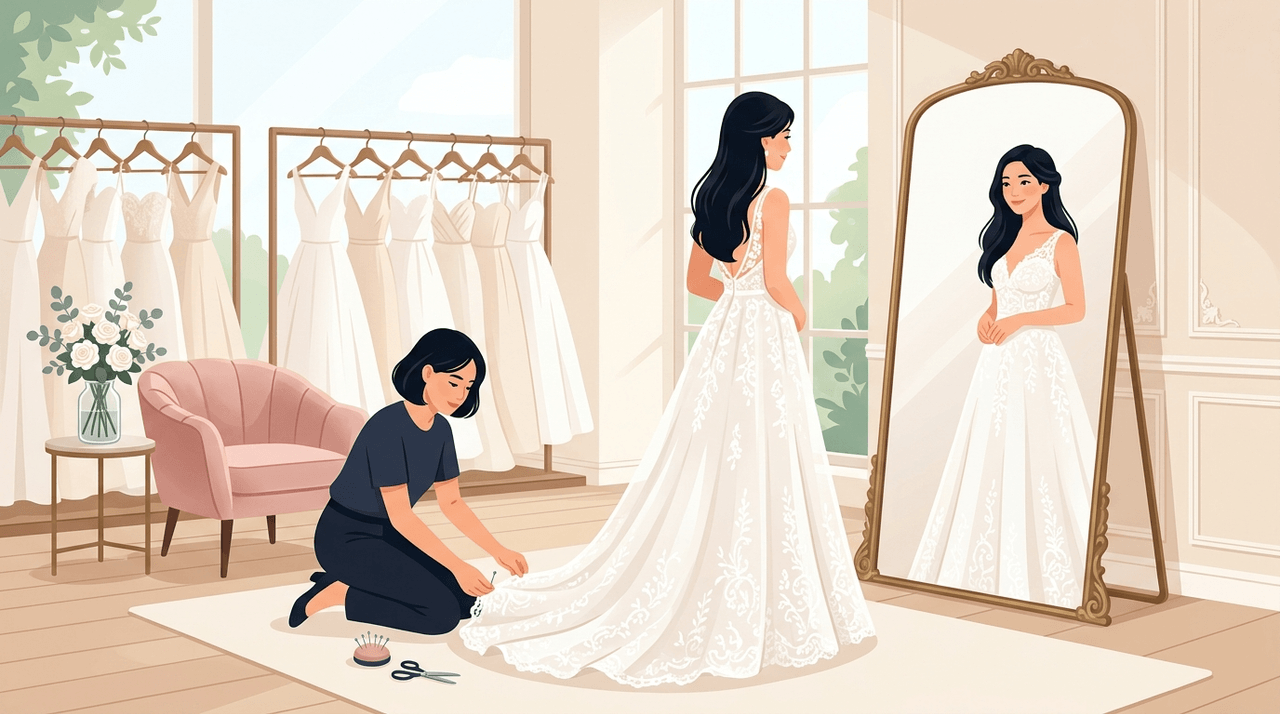
The average wedding dress costs $2,100, but the dress tag is just the starting point. Add alterations ($400–$800), a veil ($100–$1,000), and shoes and accessories ($150–$450), and the total bridal look comes to $2,600–$5,450 or more. Build your budget around the full number from day one, and you won't be surprised later.
30% of brides regret their dress choice after the wedding. The number one reason: not trying on enough dresses.
How to Set a Dress Budget
Budget for dress plus alterations plus accessories as one combined total
The most common mistake couples make is treating the dress price as the total cost. Almost every off-the-rack dress needs alterations, and those run $400–$800 on average. Budget from the start with "dress plus alterations plus accessories" as one number.
Set aside 20 to 30% of your dress budget specifically for alterations. A $2,000 dress could realistically need another $400–$600 in tailoring work.
Choosing a Silhouette That Works for You
A-line is back at the top
In recent surveys, A-line leads at 31%. Fit-and-flare and mermaid are tied at 17% each, with ball gown at 16%. Searches for "basque waist" styles — which emphasize an hourglass waistline — have spiked 250%, signaling that defined curves are having a moment.
You genuinely don't know what works until you try it on. Even if you're convinced you only want an A-line, try at least 3 to 4 silhouettes before deciding. Many brides walk out in something completely different from what they came in expecting.
How Many Dresses Should You Try On?
The sweet spot is 5 to 8
75% of brides visit only 1 to 3 boutiques before making a decision. Of those, 30% who tried fewer than 3 dresses reported regret afterward. Meanwhile, 22% who tried on 10 or more dresses ended up overwhelmed and unable to decide. The sweet spot is 5 to 8 dresses.
Most boutique appointments allow 5 to 8 try-ons per visit. Visiting 2 to 3 boutiques puts you right in the sweet spot. Keep your group small — 1 or 2 trusted people — so you can focus on your own reaction rather than managing everyone's opinions.
2025 to 2026 Dress Trends
The defining keyword for 2025 is movement and fluidity. The rigid, structured corset silhouette is giving way to dresses that flow naturally when you walk. At the same time, the ultra-dramatic ball gown is making a strong comeback as a parallel trend pulling in the opposite direction.
Trends are worth knowing about, but also worth pressure-testing. Will the dress look dated in photos five years from now? Classic silhouettes age gracefully. Hyper-trendy ones often don't.
When to Start: The Dress Shopping Timeline
Starting 6 months out risks not getting the dress you want
Custom-order dresses take 10 to 14 weeks to produce. Add 6 to 8 weeks for alterations, and you need to have your order placed at least 9 months out from the wedding date.
Rush fees for expedited production typically add 25 to 50% to the dress cost. Ordering at least 9 months out is the straightforward way to avoid them entirely.
Smart Ways to Save
Sample sales can get you 50 to 90% off retail
Sample sales are when bridal salons clear out their floor display dresses to make room for new collections. Timing matters: January through March is when the largest number of sample sales happen.
Sample dresses are typically in sizes 10 to 14 and may show minor wear from fittings. If the size works, you're looking at 50 to 70% off retail. Luxury brand consignment shops can go even deeper, sometimes up to 90% off.
Late January and late June are peak sample sale season. Know your body measurements and the silhouettes that work for you before you go. Sample sales move fast, and the best dresses go quickly.
Alterations and Accessories
The spending doesn't stop when the dress arrives
Alterations are not optional. Ready-to-wear dresses are cut to standard sizing, and nearly every bride needs tailoring. A hem alone can run $150–$300, and full alterations including waist and bust adjustments average $400–$800.
Book your seamstress when you place your dress order, not when the dress arrives. Popular tailors fill up months in advance.
Dress Shopping: Prepared vs. Unprepared
Dress Shopping Checklist
Related articles: Wedding Rings Complete Guide, How to Choose a Wedding Photographer
Related Posts
View ListReality Check: Break the Budget Myth First
Outdoor Wedding: Beautiful, But Twice the Prep Work
Outdoor weddings offer the undeniable magic of natural light and open spaces, but everything that is provided by default indoors (sound, lighting, restrooms, parking) must be arranged on your own.
Choose Your Format
How to Write Your Wedding Vows
Deciding how you'll read your vows makes writing them much easier. Your vows only need three things. Follow this order and it flows naturally. One memory that only the two of you share.
Follow This Structure
Wedding Toast: Here's How to Do It
No matter the relationship or tone, a 3-part structure is all you need. 2-3 minutes total is just right. Over 5 minutes and guests lose focus.
Grand BraceletSpirited MorningCrisp Tree