

You've probably heard the "three months' salary" rule. But surveys show 61% of people say that standard is outdated, and actual couples spend closer to two weeks' worth of pay. The average US engagement ring spend is around $5,200. More important than any budget benchmark, though, is knowing how to use the 4Cs to get a dramatically better ring for the same money.
Setting Your Budget
Forget the three-months rule
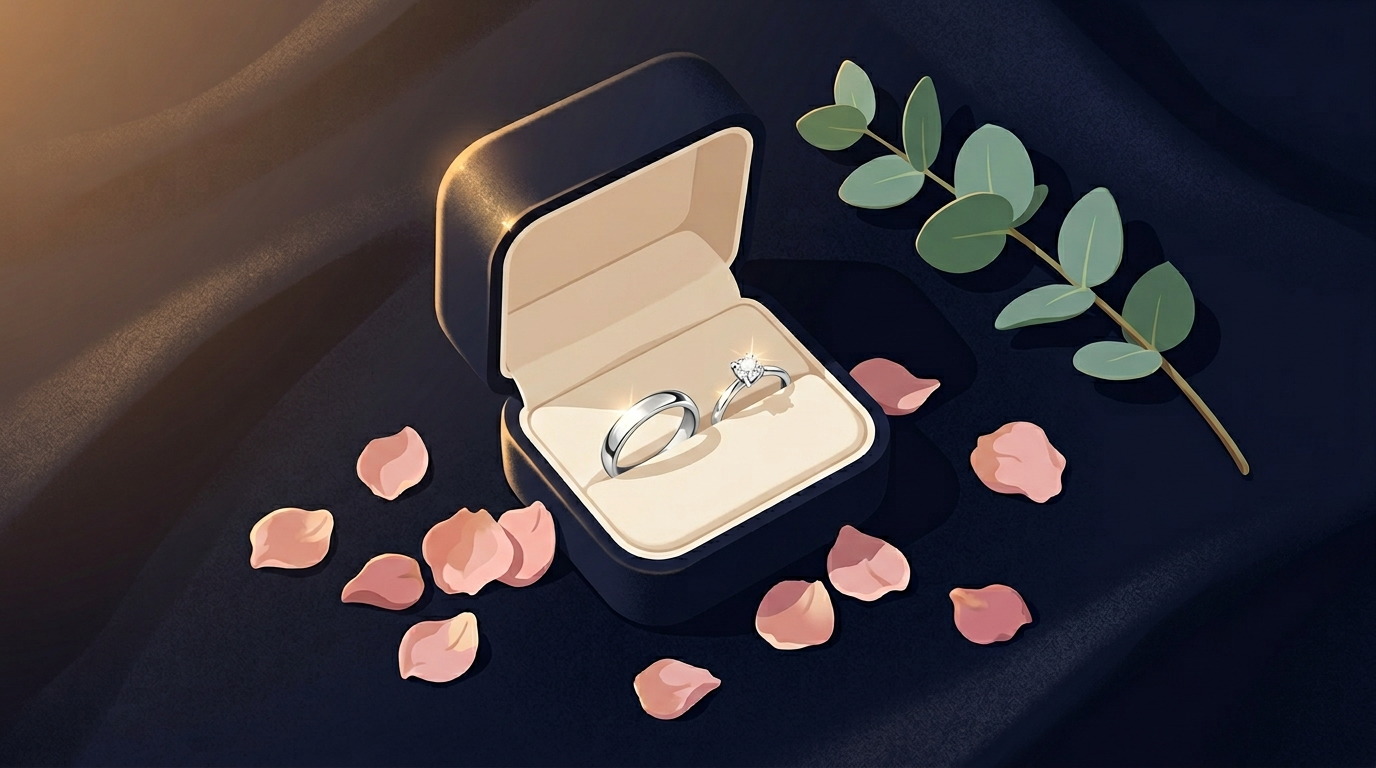
The three-months-salary rule was invented by a diamond company in the 1930s. It's not a tradition, and it's not a law. Real data tells a different story: 33% of couples spend under $3,000, and 64% spend under $6,000. What actually matters is finding a ring that fits your partner's taste and your financial reality.
Plan for the wedding band at the same time. It's not a small add-on. The average bride's wedding band runs $1,417, the average groom's is $558, and combined that's $1,975 you'll need on top of the engagement ring.
When setting an engagement ring budget, factor in the wedding band cost ($1,000–$2,500 for both) from the start. Thinking in total ring spend makes it much easier to stay balanced.
The 4Cs: Getting the Most Out of Your Budget
A bad cut makes a big diamond look dull
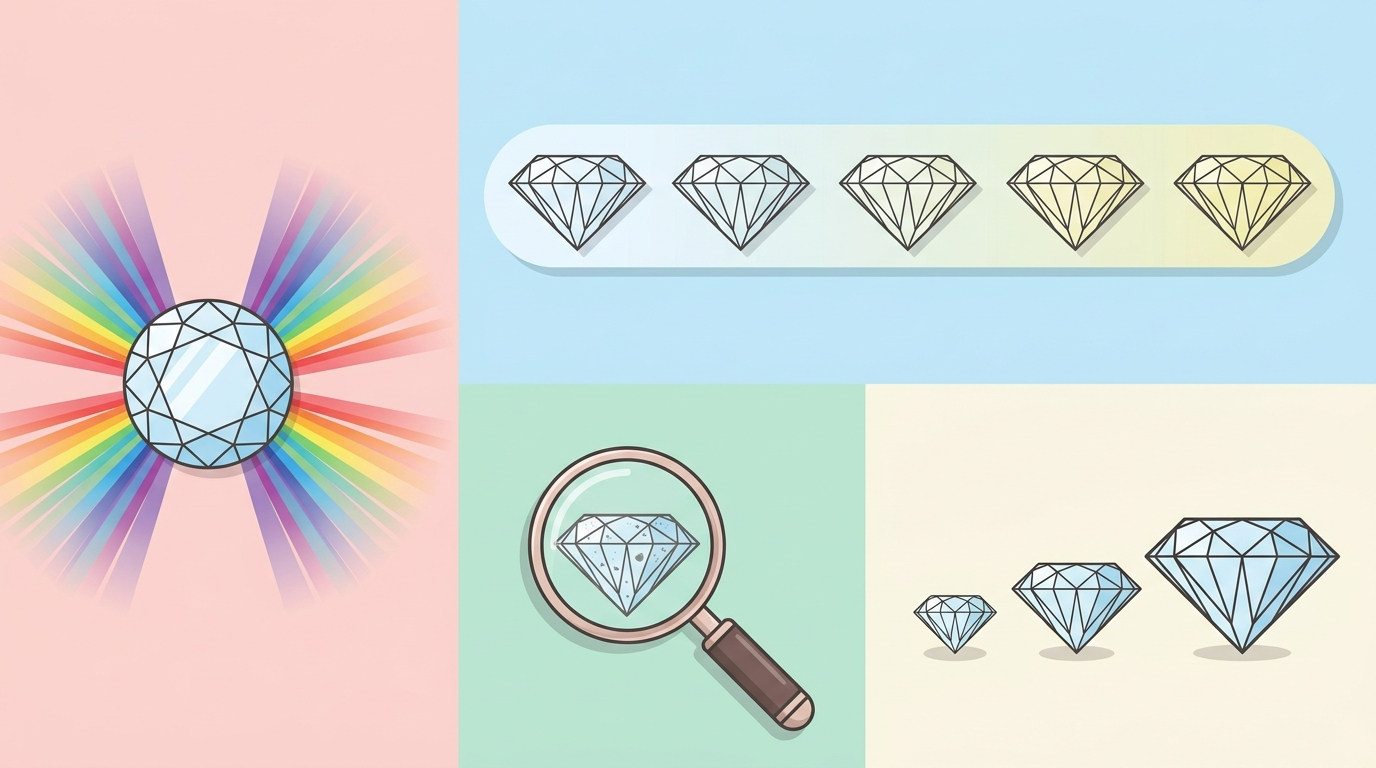
Cut is the most important of the 4Cs. It controls how light moves through the diamond and creates sparkle. A low cut grade means a large stone that just sits there looking flat. Big but dull is the worst outcome in diamond shopping.
Color runs from D (colorless) to Z (noticeably yellow), but the human eye can barely distinguish D from G. The G–I range is the sweet spot for value. On clarity, VS2 to SI1 "eye-clean" stones (no inclusions visible to the naked eye) deliver the best value.
Carat weight pricing isn't linear. It's exponential. A 1.00ct stone costs significantly more than a 0.97ct stone purely because of the round-number premium. Choosing just below the thresholds, like 0.9ct or 1.4ct, gets you near-identical visual size for meaningfully less money.
If the budget is fixed, protect the Cut grade above everything else, then adjust Color and Clarity to fit. A great cut makes a slightly lower color grade look brilliant.
Natural Diamond vs. Lab-Grown Diamond
Lab-grown recently outsold natural for the first time (52% vs. 48%)
Recently, lab-grown diamonds outsold natural diamonds in the US for the first time. They now account for 52% of engagement ring sales, with estimates pushing toward 60%.
Lab-grown diamonds are physically, chemically, and optically identical to natural diamonds. They can be GIA-certified. The price difference is enormous: a 1ct natural diamond averages around $4,200, while a comparable lab-grown averages around $1,000.
If you care more about the ring you'll wear every day than about resale value, lab-grown is a compelling choice. The same budget buys you a noticeably larger, higher-quality stone. That said, if your partner places emotional value on natural origin and rarity, that's a real consideration worth discussing.
Metal Options: Choosing the Right Setting
White gold needs replating every 2 to 3 years. Here's what to know about each metal.
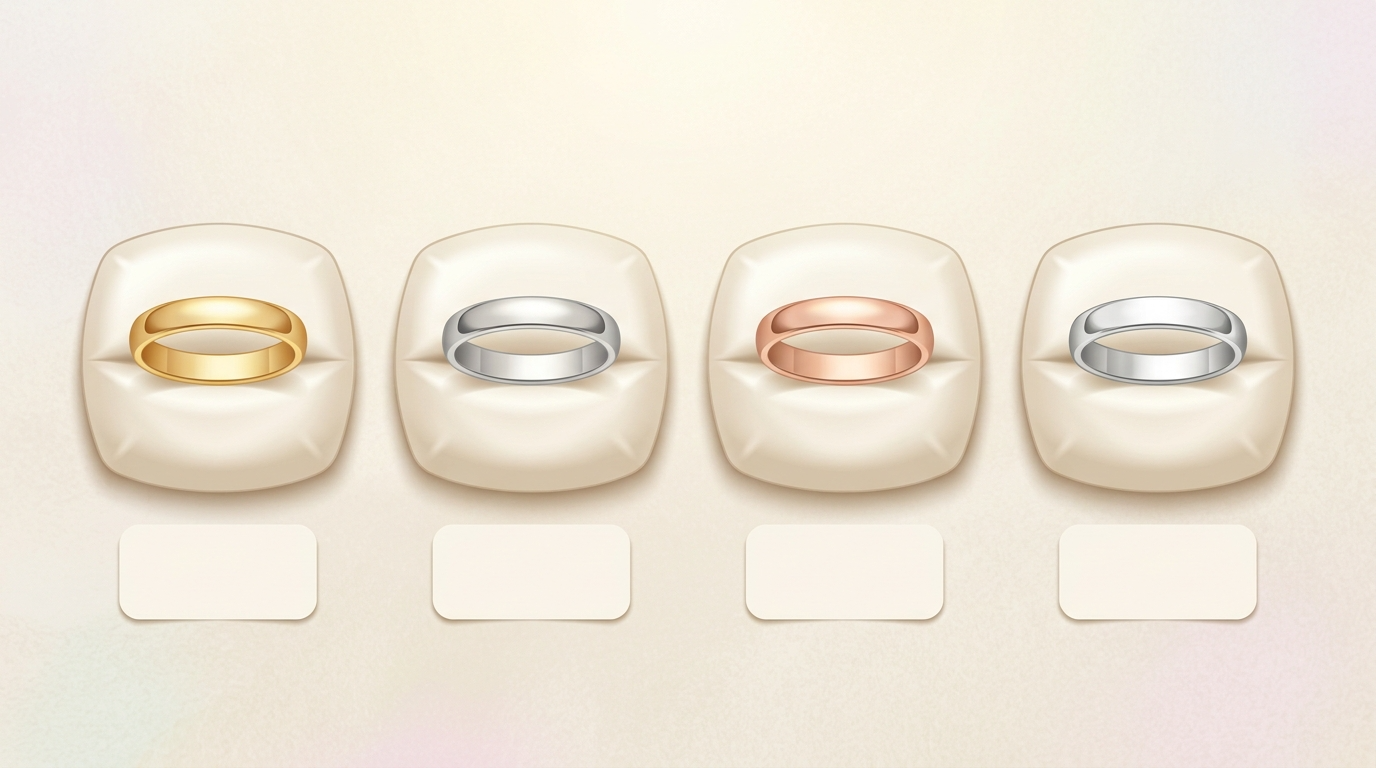
White gold is actually yellow gold with rhodium plating. Over time the plating wears off and the yellow shows through. Replating costs around $50–$150 and is needed every couple of years.
Platinum maintains its white color permanently without plating. It costs more upfront, but the long-term maintenance difference narrows the gap. It's especially worth considering if either of you has metal allergies.
Pairing Your Engagement Ring and Wedding Band
Buying together isn't always the right call
Buying both rings from the same jeweler at the same time often gets you a 10 to 15% discount. But preferences change during engagement, and many couples choose to shop for the band separately after a few months of wearing the ring.
When selecting a band separately, there are three things to match: metal and color (same or intentionally contrasting), width and profile (the band should sit flush against the engagement ring without gaps or overlap), and setting style (a high-set or prong-heavy engagement ring creates constraints for the band design).
Engraving typically runs $50 to $150, covering a date, initials, or a short phrase.
Wearing the engagement ring for six months before choosing the band gives you a much clearer sense of what width and style you actually want. There's no reason to rush it.
When and Where to Buy
Independent jewelers are often 20 to 30% cheaper than chain stores, and here's why
Start shopping for an engagement ring at least 12 months before the wedding. Custom pieces take 4 to 8 weeks to produce, and popular designs can sell out. Wedding bands can be sorted out 3 to 6 months before the date.
Where you buy has a real impact on what you pay.
For online purchases, check for: an accredited GIA or IGI certificate included with the stone, a 30-day-or-longer return policy, and whether resizing is included or billed separately.
Frequently Asked Questions
Shopping by Carat Alone vs. Shopping with the 4Cs
Ring Shopping Checklist
Related articles: Wedding Dress Selection Guide, Complete Guide to Wedding Vendor Contracts
Related Posts
View List
Reality Check: Break the Budget Myth First
Outdoor Wedding: Beautiful, But Twice the Prep Work
Outdoor weddings offer the undeniable magic of natural light and open spaces, but everything that is provided by default indoors (sound, lighting, restrooms, parking) must be arranged on your own.
Choose Your Format
How to Write Your Wedding Vows
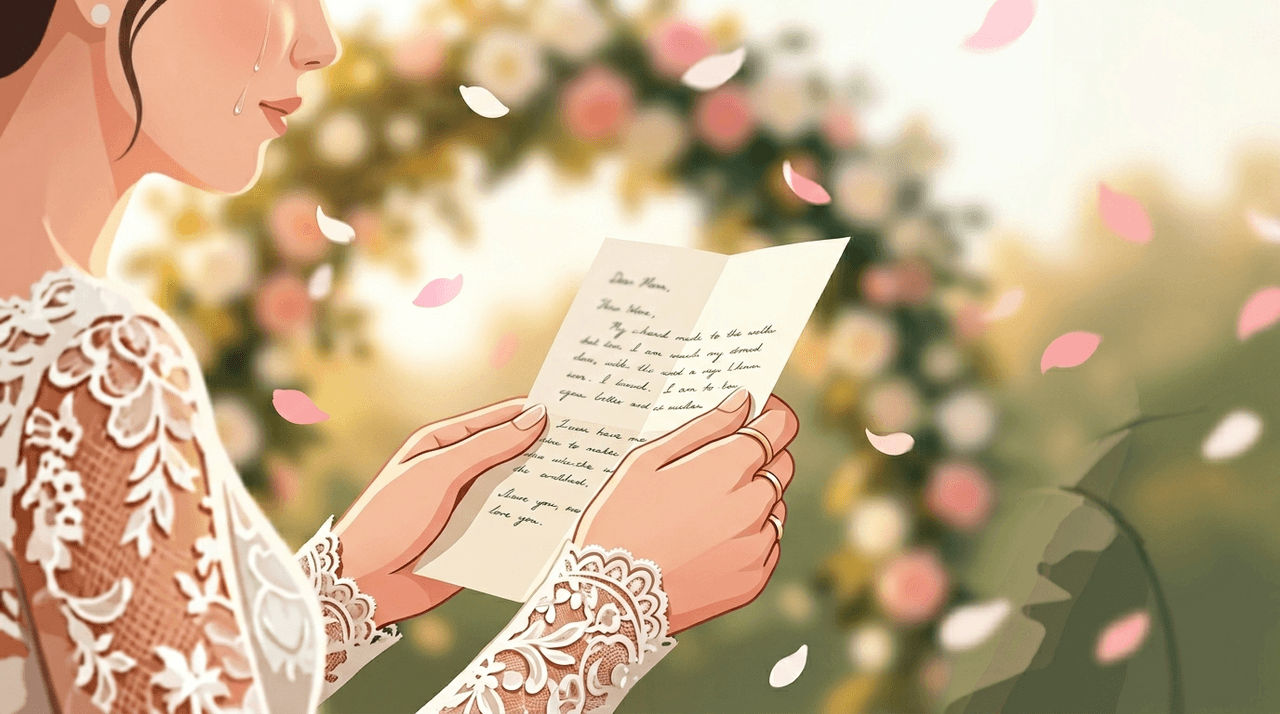
Deciding how you'll read your vows makes writing them much easier. Your vows only need three things. Follow this order and it flows naturally. One memory that only the two of you share.
Follow This Structure
Wedding Toast: Here's How to Do It
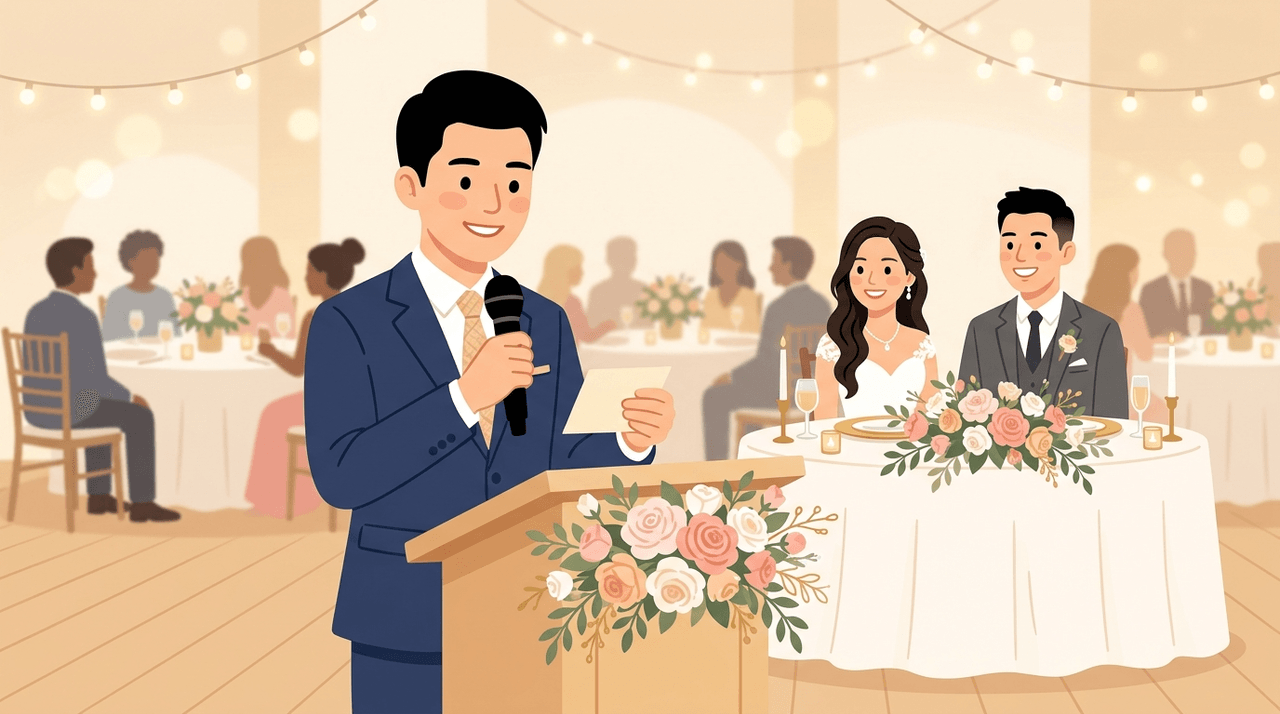
No matter the relationship or tone, a 3-part structure is all you need. 2-3 minutes total is just right. Over 5 minutes and guests lose focus.
 Blessed Smoothie
 Miraculous Wine
 Grand Bracelet
You've probably heard the "three months' salary" rule. But surveys show 61% of people say that standard is outdated, and actual couples spend closer to two weeks' worth of pay. The average US engagement ring spend is around $5,200. More important than any budget benchmark, though, is knowing how to use the 4Cs to get a dramatically better ring for the same money.
Setting Your Budget
Forget the three-months rule
The three-months-salary rule was invented by a diamond company in the 1930s. It's not a tradition, and it's not a law. Real data tells a different story: 33% of couples spend under $3,000, and 64% spend under $6,000. What actually matters is finding a ring that fits your partner's taste and your financial reality.
Plan for the wedding band at the same time. It's not a small add-on. The average bride's wedding band runs $1,417, the average groom's is $558, and combined that's $1,975 you'll need on top of the engagement ring.
When setting an engagement ring budget, factor in the wedding band cost ($1,000–$2,500 for both) from the start. Thinking in total ring spend makes it much easier to stay balanced.
The 4Cs: Getting the Most Out of Your Budget
A bad cut makes a big diamond look dull
Cut is the most important of the 4Cs. It controls how light moves through the diamond and creates sparkle. A low cut grade means a large stone that just sits there looking flat. Big but dull is the worst outcome in diamond shopping.
Color runs from D (colorless) to Z (noticeably yellow), but the human eye can barely distinguish D from G. The G–I range is the sweet spot for value. On clarity, VS2 to SI1 "eye-clean" stones (no inclusions visible to the naked eye) deliver the best value.
Carat weight pricing isn't linear. It's exponential. A 1.00ct stone costs significantly more than a 0.97ct stone purely because of the round-number premium. Choosing just below the thresholds, like 0.9ct or 1.4ct, gets you near-identical visual size for meaningfully less money.
If the budget is fixed, protect the Cut grade above everything else, then adjust Color and Clarity to fit. A great cut makes a slightly lower color grade look brilliant.
Natural Diamond vs. Lab-Grown Diamond
Lab-grown recently outsold natural for the first time (52% vs. 48%)
Recently, lab-grown diamonds outsold natural diamonds in the US for the first time. They now account for 52% of engagement ring sales, with estimates pushing toward 60%.
Lab-grown diamonds are physically, chemically, and optically identical to natural diamonds. They can be GIA-certified. The price difference is enormous: a 1ct natural diamond averages around $4,200, while a comparable lab-grown averages around $1,000.
If you care more about the ring you'll wear every day than about resale value, lab-grown is a compelling choice. The same budget buys you a noticeably larger, higher-quality stone. That said, if your partner places emotional value on natural origin and rarity, that's a real consideration worth discussing.
Metal Options: Choosing the Right Setting
White gold needs replating every 2 to 3 years. Here's what to know about each metal.
White gold is actually yellow gold with rhodium plating. Over time the plating wears off and the yellow shows through. Replating costs around $50–$150 and is needed every couple of years.
Platinum maintains its white color permanently without plating. It costs more upfront, but the long-term maintenance difference narrows the gap. It's especially worth considering if either of you has metal allergies.
Pairing Your Engagement Ring and Wedding Band
Buying together isn't always the right call
Buying both rings from the same jeweler at the same time often gets you a 10 to 15% discount. But preferences change during engagement, and many couples choose to shop for the band separately after a few months of wearing the ring.
When selecting a band separately, there are three things to match: metal and color (same or intentionally contrasting), width and profile (the band should sit flush against the engagement ring without gaps or overlap), and setting style (a high-set or prong-heavy engagement ring creates constraints for the band design).
Engraving typically runs $50 to $150, covering a date, initials, or a short phrase.
Wearing the engagement ring for six months before choosing the band gives you a much clearer sense of what width and style you actually want. There's no reason to rush it.
When and Where to Buy
Independent jewelers are often 20 to 30% cheaper than chain stores, and here's why
Start shopping for an engagement ring at least 12 months before the wedding. Custom pieces take 4 to 8 weeks to produce, and popular designs can sell out. Wedding bands can be sorted out 3 to 6 months before the date.
Where you buy has a real impact on what you pay.
For online purchases, check for: an accredited GIA or IGI certificate included with the stone, a 30-day-or-longer return policy, and whether resizing is included or billed separately.
Frequently Asked Questions
Shopping by Carat Alone vs. Shopping with the 4Cs
Ring Shopping Checklist
Related articles: Wedding Dress Selection Guide, Complete Guide to Wedding Vendor Contracts
Related Posts
View ListReality Check: Break the Budget Myth First
Outdoor Wedding: Beautiful, But Twice the Prep Work
Outdoor weddings offer the undeniable magic of natural light and open spaces, but everything that is provided by default indoors (sound, lighting, restrooms, parking) must be arranged on your own.
Choose Your Format
How to Write Your Wedding Vows
Deciding how you'll read your vows makes writing them much easier. Your vows only need three things. Follow this order and it flows naturally. One memory that only the two of you share.
Follow This Structure
Wedding Toast: Here's How to Do It
No matter the relationship or tone, a 3-part structure is all you need. 2-3 minutes total is just right. Over 5 minutes and guests lose focus.
Blessed SmoothieMiraculous WineGrand Bracelet